-
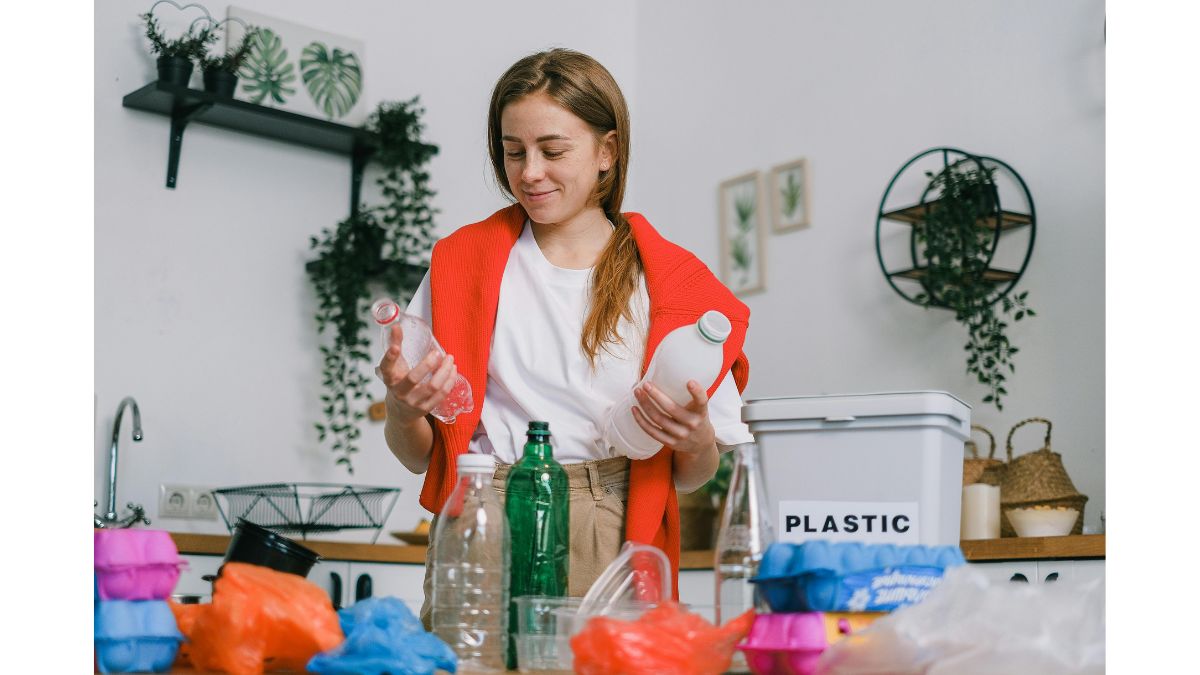
Simple Sustainability Habits That Actually Stick
If you want sustainability habits to actually stick, the best approach is to start with changes that fit your normal life instead of trying to redesign everything at once. Small habits like cutting food waste, carrying a reusable bottle, buying fewer disposable items, and using energy more carefully tend to…
-
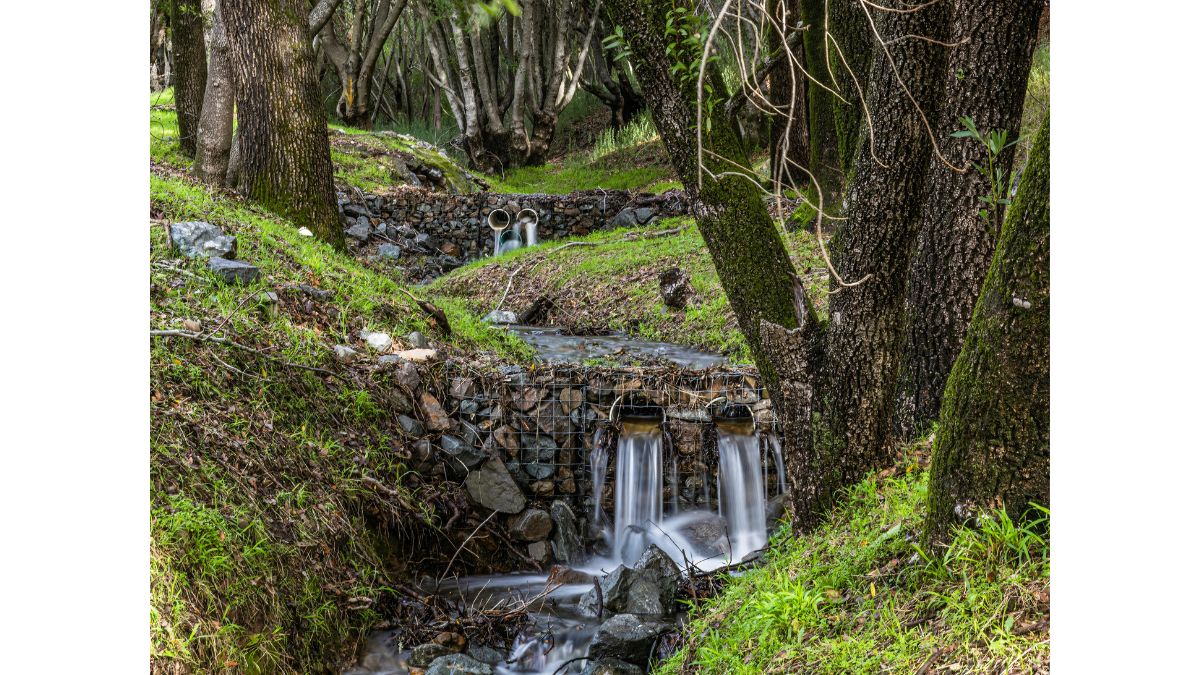
Why Stormwater Runoff Matters More Than Most Homeowners Think
Stormwater runoff matters because it affects both flooding and water quality, and many homeowners underestimate how much their own property contributes to it. When rain runs off roofs, driveways, compacted soil, streets, and lawns instead of soaking into the ground, it can carry sediment, debris, fertilizer, oil, and other pollutants…
-
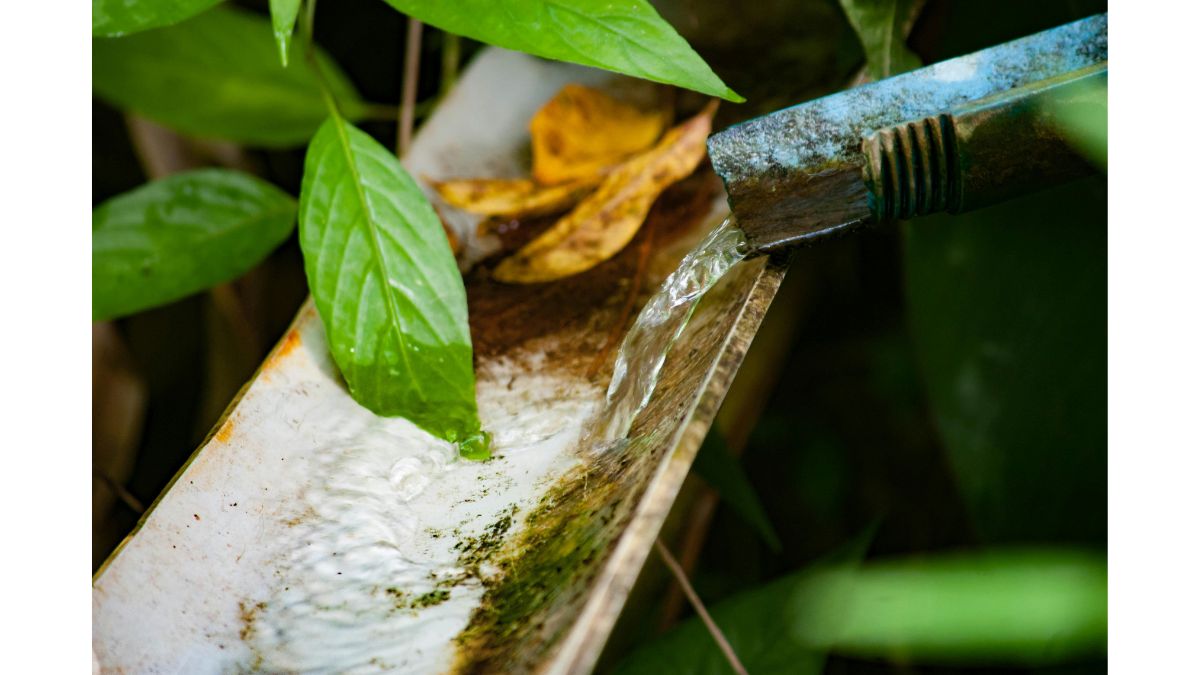
How to Improve Water Quality at Home Without Overcomplicating It
If you want to improve water quality at home, start by identifying the actual problem first, then match the solution to it. That usually means checking for common issues like chlorine taste, sediment, hard water, odor, or staining before spending money on the wrong treatment. In most homes, better water…

Explore Oregon through land and water
Practical articles on water, environment, and everyday sustainability across Oregon and the Willamette Valley.

Practical sustainability starts with paying closer attention to the place you call home.

Avery Collins
Editor, Champoeg
Water, land, and daily habits are more connected than most people realize.

Maya Bennett
Contributing Writer
Better environmental living usually begins with smaller choices that actually last.

Evan Brooks
Regional Contributor
Oregon living, shaped by land and water
Grounded articles on water, environment, and practical sustainability for Oregon homes, landscapes, and everyday life.